







Search Results for: portafilter blown off
Why Does the Portafilter on an Espresso Machine Blow Off? Common Causes of Uncontrolled Extraction Pressure and How to Prevent Them
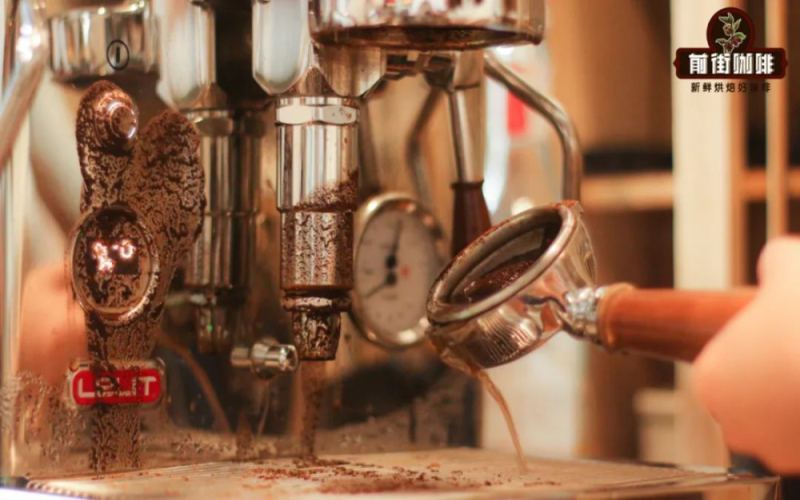
Front Street Coffee recently noticed that many coffee enthusiasts, when operating espresso machines, make some improper movements that cause the portafilter to suddenly fly out of the group head during or even after extraction, creating a scene that is both embarrassing and dangerous. This kind of machine blowout can, at best, dirty the equipment, and at worst, injure someone. What exactly causes the portafilter to be "blown" out? In this article, Front Street Coffee sorts out three common scenarios—when removing the portafilter, during espresso extraction, and when cleaning the coffee machine—analyzing one by one the causes such as improper pressure release, grinding too fine, overdosing, and not locking the portafilter tightly, and offering corresponding prevention and operating suggestions to help you enjoy espresso safely and steadily. [more…]

Why Does Coffee Grinding Constantly Throw and Clump? Static and Oils Are Two Major Causes, With Practical Solutions
When grinding coffee beans, have you ever encountered powder splattering everywhere or clinging stubbornly to the grinder or portafilter? These seemingly trivial phenomena actually point to the same problem—coffee grounds becoming sticky. Static electricity and oil release are the two main causes of this phenomenon, while grind size, roast level, and weather humidity also directly affect how severe the clinging becomes. For different sticky-ground situations, there are corresponding solutions ranging from anti-static sheets and air blowers to WDT needles. Although the online trick of adding water to eliminate static works, it carries hidden risks. This article will break down the causes and solutions one by one, making the grinding process cleaner and smoother. [more…]
Tanzania Kilimanjaro Coffee Buying Guide: Front Street Brand Grading, Flavor Characteristics, and Price Reference
Among Tanzanian coffees, Kilimanjaro is regarded as the representative. The area around Africa's highest peak has volcanic soil, high altitude, and pure snowmelt water, providing ideal conditions for coffee cultivation, and some coffee trees are over a century old. Local coffee is mostly grown at altitudes of 3,000 to 6,000 feet and processed by the washed method, presenting wine-like acidity, fruity notes, and a delicate aftertaste. Front Street Coffee grades Tanzanian coffee into nine levels according to bean size and quality, from AAA to F, each with corresponding screen size standards. This article focuses on the flavor performance, grading system, and domestic prices of Kilimanjaro coffee to help coffee enthusiasts gain a comprehensive understanding of this common single-origin coffee. [more…]
A Comprehensive Analysis of Uganda Coffee Bean Producing Regions, Grading System, and Flavor Characteristics
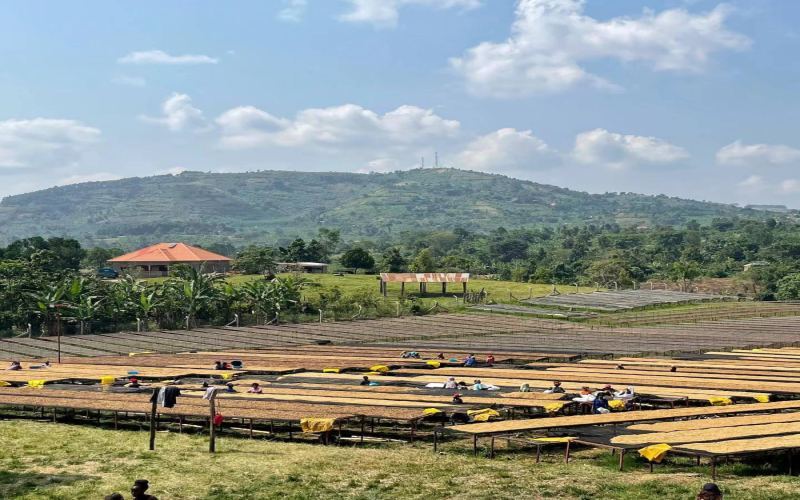
Uganda is located at the source of the Nile and is a landlocked country in East Africa, with a long history of coffee cultivation. Due to prolonged wars and unrest, the improvement of its coffee quality once stagnated, and the high-quality beans produced in the areas bordering Kenya were even transshipped and passed off as Kenyan coffee. Fifteen years after the conflict subsided, Uganda's coffee industry has ushered in rapid development. The country is absolutely dominated by the Robusta variety, accounting for about 94%, while Arabica accounts for only 6%, mainly distributed in the Mount Elgon and southwestern high-altitude areas. Front Street Coffee takes you through Uganda's coffee growing regions, processing methods, grading system, and unique flavor profile, to experience this African origin's distinctive charm in its rich body and fruity layers. [more…]
A Complete Analysis of Coffee Growing Altitudes in Kenya: Terroir and Grading Processes from Thika to Nyeri
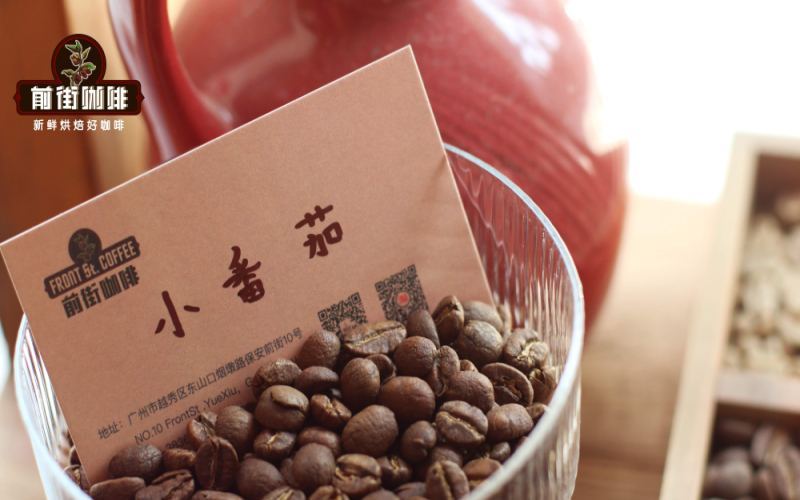
Kenyan coffee is famous for its bright fruit acidity and full body, and the altitude differences among different producing regions directly affect the flavor expression of the coffee. From Thika to Kirinyaga, and on to Nyeri, each region has its own unique altitude range and variety combination. In this article, Front Street will guide you through the altitude distribution, variety characteristics, and grading standards of Kenya's main coffee-producing regions, as well as how the classic K72 washed processing method shapes a bright acidity reminiscent of cherry tomatoes. Whether you are new to African beans or a seasoned enthusiast, you will find practical reference information here. [more…]
A Complete Analysis of the Characteristics and Flavors of Tanzania Kilimanjaro Coffee Bean Producing Regions
Tanzania's Kilimanjaro coffee is hailed as one of the representatives of African specialty coffee. Front Street Coffee will provide coffee enthusiasts with a comprehensive analysis of this coffee bean's unique charm from multiple angles, including the geography of the producing region, variety characteristics, green bean grading, flavor comparison with Kenyan coffee, and processing methods. As the highest peak in Africa, Mount Kilimanjaro is both a volcano and a snow-capped mountain, providing excellent natural conditions for coffee cultivation. This article will help you gain an in-depth understanding of the flavor profile and quality characteristics of Kilimanjaro coffee, while also providing a reference for choosing coffee beans that suit your own taste. [more…]

Independent coffee shops face relentless siege from chain brands—how can small shops break through under capital's close-quarters competition?
A café owner who runs an independent coffee shop recently posted about how two chain brands, M Stand and Manner, had moved in one after another right next to his store, and how a turf he had held for more than a year was suddenly "challenged head-on" by capital. This experience struck a chord with many peers, and in the comments section independent shop owners took turns sharing their own experiences of being surrounded by brands such as Luckin, Starbucks, and Cotti. Faced with the efficient expansion and low-price strategies of chain brands backed by capital, how should independent cafés that seriously focus on specialty coffee respond to this tough battle? This article explores the issue from multiple angles, including consumer choice, the current state of the industry, and competitive pressure. [more…]

A Detailed Explanation of the Washed Process for Kenyan Specialty Coffee: K72 Fermentation and AA Grade Flavor Analysis
Kenyan coffee is renowned worldwide for its distinctive berry notes and robust fruit acidity, and the K72 washed processing method plays a crucial role in this. This unique technique splits the fermentation process into three rounds, each lasting 24 hours with fresh water, totaling 72 hours, which gives the coffee beans a more vibrant acidity. The drying stage is equally ingenious, with farmers using raised steel beds to dry the beans evenly, avoiding any earthy off-flavors from the ground and resulting in the clean, bright cup profile characteristic of Kenyan coffee. Front Street Kenya Cherry Tomato coffee beans are made from SL28 and SL34 varieties, classified as AA grade, and presented with a light-medium roast to highlight their full floral and fruity flavors. This article will provide a comprehensive analysis of the K72 processing details, the grading system, and Front Street's roasting and brewing parameters, giving you an in-depth look at the flavor secrets of these beans. [more…]
Kenyan Coffee K72 Washed Processing Method Explained: From AA Grading to Front Street Coffee Medium-Light Roast Brewing Guide
Kenyan coffee occupies a unique position in the global specialty coffee scene, thanks to its distinct berry flavors, robust fruit acidity, and sweet, juicy mouthfeel. The formation of this flavor profile is related not only to the local soil's high phosphoric acid content but also, crucially, to the famous K72 washing process—a three-stage fermentation lasting up to 72 hours. This article will provide a detailed analysis of the K72 fermentation process and Kenya's steel bed drying method, outline the Kenyan coffee bean grading system and exporter cup grading, and share Front Street Coffee's roasting approach and pour-over parameters for AA-grade Kenyan Asaliya, helping readers fully understand the flavor logic of Kenyan coffee from processing to cup. [more…]
Kenya AA Coffee Bean Flavor Analysis: Small Tomato and Smoked Plum Notes from the Thika Region and the K72 Washed Processing Method
Kenyan coffee occupies a unique position in the global specialty coffee landscape thanks to its bright fruit acidity and full body. Among them, the AA grade, as the highest specification for bean size, is often regarded as synonymous with Kenyan specialty beans. This article starts with the AA TOP lot from the Asali Honey Processing Station in Kenya's Thika region, currently sold by Front Street Coffee, and systematically reviews Kenya's main coffee-producing regions, the characteristics of varieties such as SL28 and SL34, the AA grading standard, and the most representative K72 washed processing method. By comparing the differences in acidity with Ethiopian coffee, it helps readers understand the source of Kenyan coffee's intense, substantial acidity, as well as the processing logic behind flavors reminiscent of cherry tomatoes and smoked plums. [more…]
Kenya AA Pour-Over Coffee-to-Water Ratio and Flavor Full Analysis: Brewing Key Points for K72 Washed, SL28/SL34, and Medium-Light Roast
Kenya AA is a highly recognizable grade in specialty coffee, known for its bright berry acidity, substantial juicy body, and cleanliness. This article focuses on Front Street Coffee's Kenya Small Tomato, an AA-grade coffee, to sort out its flavor sources and processing details: from the phosphoric acid components in the local soil, to the famous K72 72-hour washed fermentation, and then to the impact of Kenyan steel bed drying on cleanliness. It also explains the size grading such as AA and AB, as well as the TOP, PLUS, and FAQ flavor grades set by exporters. Finally, it gives Front Street's medium-light roast approach and pour-over parameters: 1:15 coffee-to-water ratio, 15g coffee, 225ml water, 91°C, V60, along with a staged pouring rhythm and brewing flavor description. [more…]

Differences Between a Double-Spout Portafilter and a Bottomless Portafilter for Espresso Extraction, and Recommendations for Choosing One
When making espresso, the choice of portafilter is often overlooked, yet it directly affects the consistency of the output and the operating experience. A split portafilter has a closed bottom with two spouts, allowing it to evenly distribute a double shot of espresso; a bottomless portafilter removes the bottom cover, making it easier to observe the extraction state, and is especially advantageous for identifying channeling and making layered coffee. However, the two also differ noticeably in flow rate, preheating requirements, and cleaning and maintenance. This article will systematically compare the features of split portafilters and bottomless portafilters, and offer practical advice from Front Street Coffee to help you make a more suitable choice in your daily output. [more…]
A Complete Guide to Kenya AA Coffee Beans: From the Thika Region to the Rich, Fruity Acidity of K72 Washed Processing
Kenyan coffee has long been celebrated for its bright fruit acidity and solid body, making it the top African choice for many pour-over enthusiasts outside of Ethiopia. This article starts with the Kenyan Small Tomato coffee beans produced by Front Street Coffee, systematically sorting out the meaning of Kenya AA grading, the terroir characteristics of core producing regions such as Thika and Kirinyaga, the origins of staple varieties like SL28 and SL34, and an in-depth analysis of Kenya's signature K72 washed processing method. The article also compares the differences in acidity between Kenya and Ethiopia, helping readers new to African beans build up their flavor understanding step by step. [more…]

Kenya AA Coffee Beans: Complete Guide to Flavor, Varieties, Regions, Grading, and the K72 Processing Method
Kenyan coffee occupies a unique position in the global specialty coffee scene with its bright fruit acidity and full body. Among them, Kenya AA is a grade that is often mentioned, but what exactly does AA represent? From the perspective of Front Street Coffee, this article systematically sorts out the origin terroir of Kenyan coffee, the characteristics of major producing regions, varieties such as SL28 and SL34, the AA grading standard, and the highly representative K72 washed processing method. At the same time, combined with the roasting and brewing plan for Front Street Azalia coffee beans, it gives actionable parameter recommendations to help coffee lovers understand why Kenyan coffee has such strong acidity and rich layers, and to master brewing approaches that highlight its juicy and sweet notes. [more…]
Kenya AA Coffee Bean Flavor Analysis and Pour-Over Parameters: A Complete Guide from Origin and Variety to K72 Washed Processing
Kenyan coffee occupies a unique place in the world of specialty coffee, thanks to its bright, intense fruit acidity and full, robust body. Among these, Kenya AA is the grade most often mentioned, but what exactly does AA mean? And what does it have to do with flavor? This article, from the perspective of Front Street Coffee, systematically reviews Kenya's coffee-growing regions, main varieties, grading system, and classic washed processing method, and offers specific pour-over parameters and brewing suggestions for Front Street's Little Tomato. If you're looking for an African bean with bright acidity and rich layers, this article can serve as a reference from beginner to advanced. [more…]
Espresso Bottomless Portafilter | What's the Difference Between a Spouted and Bottomless Portafilter on an Espresso Machine? Which Coffee Portafilter Is Suitable for Coffee Beginners?
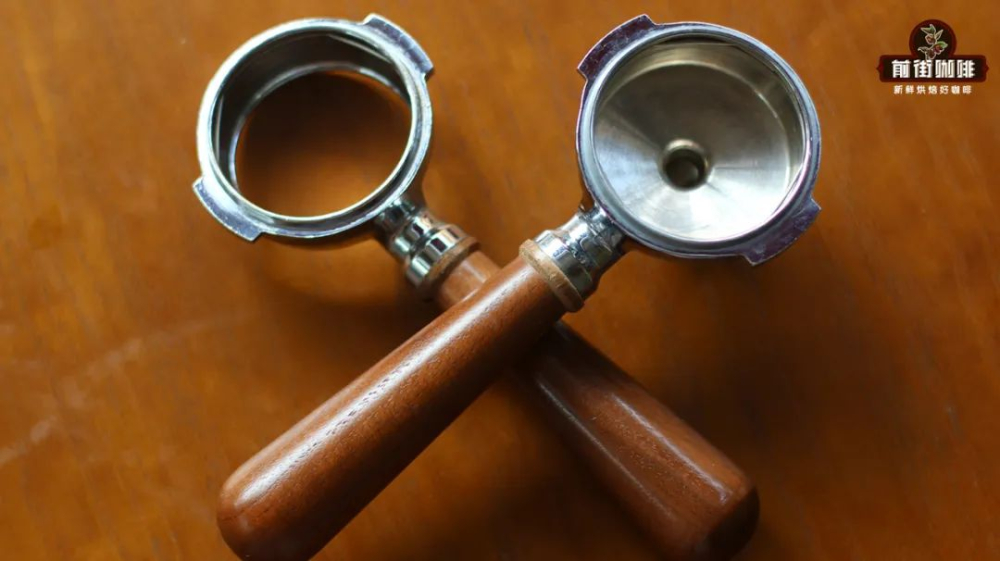
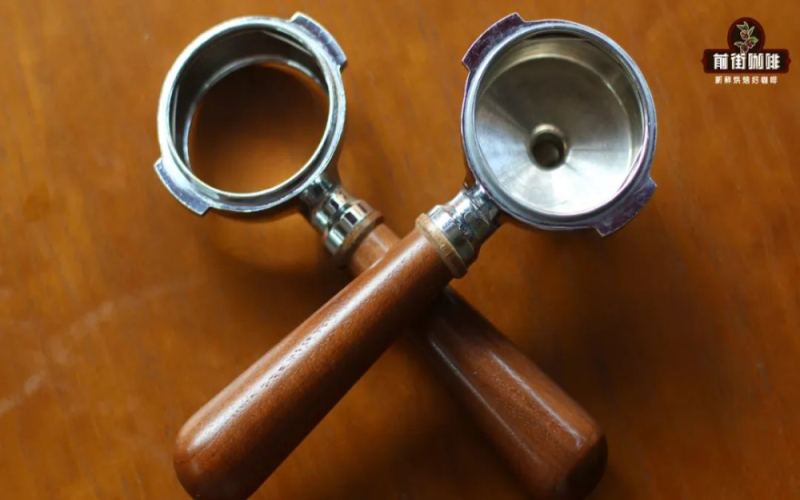
For more specialty coffee knowledge, please follow our WeChat official account: Front Street Coffee (FrontStreet Coffee). The coffee extraction portafilter is an important tool for semi-automatic espresso machines. There are mainly two types of coffee portafilters: the first is the bottomed split portafilter, and the second is the bottomless straight-out portafilter. [more…]
Analysis of the Differences Between Bottomed and Bottomless Portafilters for Espresso Machines | A Full Comparison of Features and Pros and Cons
In the operation of a semi-automatic espresso machine, the portafilter is an indispensable core accessory, and the common types on the market are mainly divided into two major categories: bottomed split portafilters and bottomless straight-through portafilters. Front Street stores use bottomless portafilters for their daily output. What advantages and disadvantages do these two types of portafilters each have during actual extraction? This article will start with structural differences, compare in detail the different performance of bottomed and bottomless portafilters in terms of operating experience, extraction observation, cleaning and maintenance, and include a complete extraction demonstration process and parameters for Front Street’s classic blend coffee beans, to help coffee lovers gain a deeper understanding of how portafilter choice affects espresso quality. [more…]
Explaining Kenya's Green Coffee Bean Grading System: How Do AA and AB Differ, and How Do They Perform in Espresso
Kenyan coffee is renowned for its vibrant berry notes, lively acidity, and substantial body, and its unique Kenyan-style washing process and green bean grading system based on bean size are equally noteworthy. What exactly do the commonly seen grades in China such as AA, AB, and PB mean? Is AA necessarily better tasting than AB? Front Street Coffee provides the answer through blind testing. This article will systematically outline Kenya's green bean grading standards and quality assessment procedures, and, in conjunction with Front Street's Little Tomato, an AA-grade washed bean from the Thika region, introduce the characteristics of the SL28 and SL34 varieties, the K72 washing method, and specific roasting and brewing plans, helping you gain a comprehensive understanding of the flavor code of Kenyan coffee and its application potential in espresso. [more…]

Coffee Machine Maintenance | How Should Coffee Beginners Clean and Maintain a Home Semi-Automatic Espresso Machine? How to Replace the Gasket on an Espresso Machine?
For professional coffee knowledge exchange and more coffee bean information, please follow Coffee Studio (WeChat official account: cafe_style). For more specialty coffee beans, please add our private WeChat: Front Street Coffee (FrontStreet Coffee), WeChat ID: qjcoffeex. With the rise of specialty coffee culture [more…]

The Complete Maintenance Guide to Cleaning and Backflushing Semi-Automatic Espresso Machines
If a coffee machine is neglected for a long time, its extraction performance and flavor will gradually deteriorate. This article is aimed at semi-automatic espresso machines equipped with an independent brew head, and systematically outlines an actionable maintenance routine, from daily external wiping, cleaning the dispersion screen and portafilter, to backflushing with a blind basket, deep cleaning with cleaning powder, and regular maintenance of the dispersion screen, gasket, and boiler. It also recommends beans suitable for espresso extraction, such as Front Street Classic Blend, Commercial Blend, Dark Cocoa Base Blend, and Specialty Blend, to help you maintain consistent output whether for a café or home use. [more…]